"It depends" is the honest answer to what a website costs, but it is not a useful one when you are trying to set a budget. This guide gives you realistic price ranges for the most common types of projects, explains what moves a quote up or down, and shows you how to compare proposals so you pay for what you actually need.
Typical price ranges
These are the ranges we see for work done by a professional agency or an experienced freelance team. Very small template projects can cost less, and complex platforms can cost a great deal more, but most business websites land somewhere in this table.
| Project type | Typical budget | Typical timeline |
|---|---|---|
| Template-based business site (5–10 pages) | $3,000 – $8,000 | 2 – 4 weeks |
| Custom-designed marketing website | $10,000 – $30,000 | 6 – 10 weeks |
| Online store (e-commerce) | $15,000 – $60,000 | 8 – 14 weeks |
| Web application MVP | $30,000 – $100,000+ | 3 – 6 months |
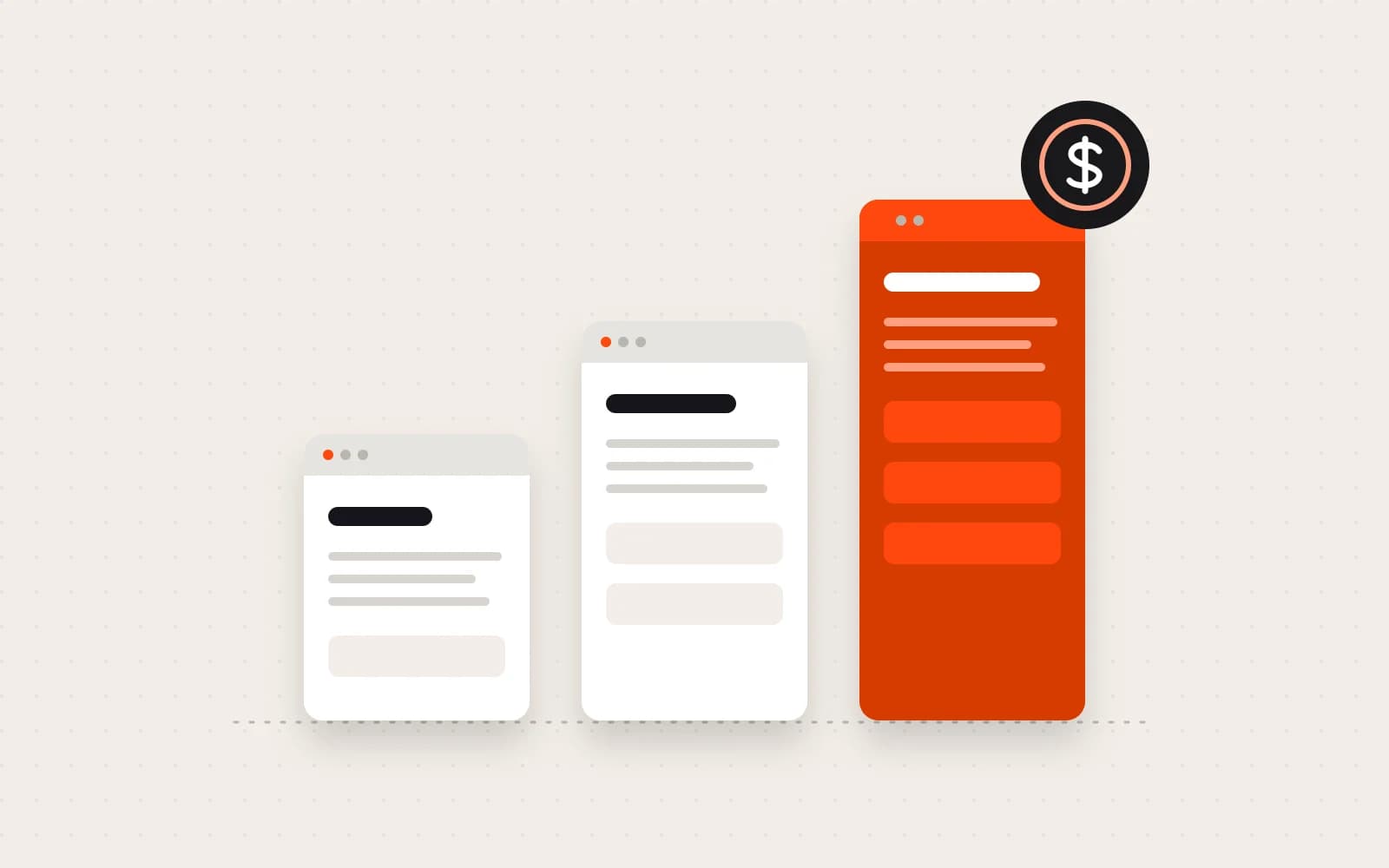
The jump between rows is not about the number of pages. It is about how much has to be designed from scratch, how much logic sits behind the screens, and how many other systems the site has to talk to.
What actually drives the price
Custom design or a template
A good template gets you a professional look quickly, but you adapt your content to its layout. Custom design starts from your brand, audience, and goals, which takes longer and costs more, and usually converts better because every page is built around what your visitors need to do.
The number of unique page types
Clients often count pages, but agencies count templates. Twenty service pages that share one layout cost far less than eight pages that are each designed differently. When you plan your sitemap, group pages that can share a structure.
Content: who writes it and who supplies it
Copywriting, photography, video, and illustration are often missing from early budgets. If your agency writes the copy or organizes a photo shoot, expect that to be a separate line in the quote. If you supply content yourself, late content is the most common reason projects slip.
Integrations and custom features
Every connection to another system adds work: payments, a CRM, a booking calendar, inventory, a customer portal, or a multi-language setup. Each one needs to be designed, built, tested, and maintained. This is where marketing sites turn into web applications.
How you want to edit the site
A content management system (CMS) lets your team update pages without a developer. The more flexible you want editing to be, for example building new page layouts from reusable blocks, the more setup it takes.
Costs people forget to budget for
- Hosting and domain: usually $20 to $100 a month for a typical business site, more for high-traffic stores and apps.
- Licences for themes, plugins, fonts, stock photos, or a hosted CMS.
- Maintenance: security updates, backups, bug fixes, and small changes after launch.
- Analytics, cookie consent, and privacy compliance setup.
- Ongoing content and search engine optimization (SEO) if you want the site to keep growing traffic.
How to get more for your budget
- Start with one clear goal
"Get more qualified leads from small businesses" leads to a better and cheaper site than "look more modern". A clear goal makes it easy to say no to features that do not serve it.
- Launch the essentials first
Split the project into phases. Launch the pages and features that drive your goal, then add the rest once real visitors show you what matters.
- Prepare content early
Draft your key messages, gather testimonials and case studies, and collect photos before design starts. Designing around real content is faster and gives better results.
- Reuse layouts
Ask your agency which pages can share templates. Fewer unique layouts means less design and development time without a weaker result.
Fixed price or time and materials?
A fixed price works well when the scope is clear and unlikely to change, such as a marketing website with an agreed sitemap. Time and materials, where you pay for the hours actually worked, suits products where you expect to learn and adjust along the way. Many teams combine the two: a fixed-price discovery phase to define the scope, then a fixed or capped price for the build.
How to compare quotes
Two quotes for "a website" can describe very different projects. Before comparing prices, check that each proposal answers the same questions:
- Which pages, templates, and features are included, and which are explicitly excluded?
- Is copywriting, photography, or content migration included?
- Who will actually do the work, and will you speak to them directly?
- How many rounds of design revisions are included?
- What happens after launch: is there a warranty period or support plan?
- Will you own the design files, the code, and every account, including the domain and hosting?